Introduction
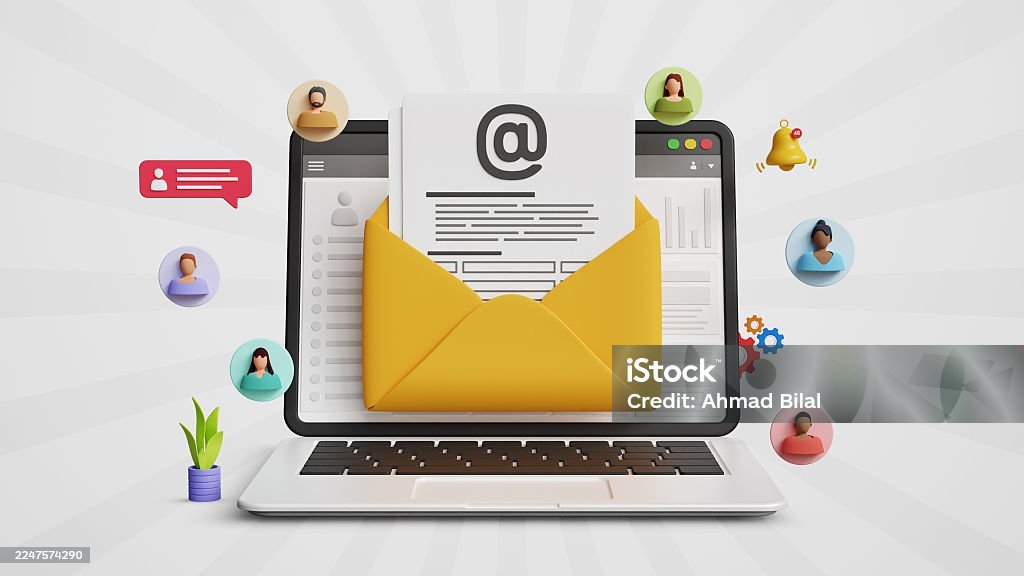
Email Marketing remains one of the most effective digital marketing strategies for businesses of all sizes. While social media algorithms and search engine rankings constantly change, email gives businesses a direct and reliable way to communicate with customers. When done correctly, Email Marketing helps generate leads, nurture relationships, promote products, and increase sales.
However, sending emails alone is not enough. To achieve high conversion rates, every email should provide value, engage the reader, and encourage action. Businesses that follow proven Email Marketing best practices often see higher open rates, better click-through rates, and more conversions.
This guide explains the most effective Email Marketing best practices to help you build stronger customer relationships and maximize the return on your marketing efforts.
What Is Email Marketing?
Email Marketing is the practice of sending targeted emails to prospects and customers to promote products, share valuable information, build trust, and encourage specific actions such as making a purchase or signing up for a service.
Unlike many other marketing channels, email allows businesses to communicate directly with people who have already shown interest in their brand. This makes it one of the highest-performing marketing channels for generating conversions.
Businesses use email marketing to:
- Welcome new subscribers
- Promote products and services
- Share educational content
- Announce company news
- Offer discounts and promotions
- Recover abandoned shopping carts
- Strengthen customer relationships
Why Email Marketing Is Important
Many businesses continue investing in Email Marketing because it consistently delivers excellent results.
Some of the biggest benefits include:
- Direct communication with customers
- Higher conversion rates
- Cost-effective marketing
- Personalized customer experiences
- Increased customer loyalty
- Better customer retention
- Measurable campaign performance
- Greater return on investment (ROI)
Since subscribers voluntarily join your email list, they are generally more interested in your business than random website visitors.
Build a High-Quality Email List
A successful Email Marketing campaign begins with a quality email list.
Instead of purchasing email lists, focus on attracting people who genuinely want to hear from your business.
Effective ways to grow your list include:
- Offering free eBooks
- Providing downloadable guides
- Creating helpful checklists
- Hosting webinars
- Offering exclusive discounts
- Publishing newsletters
- Using website sign-up forms
A smaller list of engaged subscribers often performs much better than a large list of uninterested contacts.
Segment Your Audience
Not every subscriber has the same interests or needs.
Audience segmentation allows businesses to send more relevant emails to different groups of subscribers.
You can segment your list based on:
- Purchase history
- Interests
- Location
- Industry
- Customer behavior
- Website activity
- Subscription date
Relevant emails are more likely to generate opens, clicks, and conversions.
Write Compelling Subject Lines
Your subject line is the first thing subscribers see.
A strong subject line encourages recipients to open your email.
Effective subject lines are:
- Clear
- Short
- Relevant
- Interesting
- Honest
Avoid misleading or exaggerated subject lines, as they can reduce trust and increase unsubscribe rates.
Examples include:
- 7 Ways to Improve Your Marketing Strategy
- Save 20% This Weekend Only
- Your Free Business Growth Guide Is Ready
- New Tips to Increase Website Traffic
Personalize Your Emails
Personalization goes beyond using a subscriber’s first name.
Modern Email Marketing uses customer data to deliver more relevant experiences.
Examples include:
- Product recommendations
- Personalized offers
- Birthday messages
- Purchase follow-ups
- Location-based promotions
Subscribers are more likely to engage with emails that match their interests.
Focus on Valuable Content
People subscribe because they expect value.
Instead of sending constant promotional emails, provide useful information that helps your audience solve problems or make better decisions.
Examples of valuable content include:
- Industry insights
- How-to articles
- Business tips
- Product tutorials
- Customer success stories
- Educational resources
When subscribers consistently receive value, they become more likely to trust your recommendations.
Use Clear Calls-to-Action
Every email should have a specific goal.
Whether you want readers to visit your website, download a guide, register for an event, or make a purchase, your call-to-action (CTA) should be easy to find and understand.
Examples include:
- Learn More
- Download Now
- Get Started
- Shop Today
- Book Your Consultation
- Claim Your Discount
Avoid including too many different calls-to-action in a single email.
Optimize for Mobile Devices
A large percentage of emails are opened on smartphones and tablets.
Your emails should be:
- Mobile-friendly
- Easy to read
- Fast loading
- Well formatted
- Responsive on different screen sizes
Use short paragraphs, readable fonts, and buttons that are easy to tap.
Maintain a Consistent Sending Schedule
Consistency helps subscribers know when to expect your emails.
Whether you send emails weekly, biweekly, or monthly, maintain a predictable schedule.
Sending too many emails may overwhelm subscribers, while sending too few can cause them to forget your business.
Monitor engagement metrics to determine the best frequency for your audience.
Test Your Email Campaigns
Successful Email Marketing relies on continuous improvement.
A/B testing helps identify what works best.
Test elements such as:
- Subject lines
- Email headlines
- Images
- Calls-to-action
- Send times
- Email layouts
- Button colors
- Content length
Small improvements can significantly increase conversion rates over time.
Automate Your Email Marketing
Automation saves time while delivering personalized customer experiences.
Businesses commonly automate:
- Welcome emails
- Lead nurturing campaigns
- Purchase confirmations
- Cart abandonment reminders
- Birthday greetings
- Re-engagement campaigns
- Customer feedback requests
Automation ensures subscribers receive timely and relevant communication without requiring manual effort.
Monitor Email Performance
Measuring results helps improve future campaigns.
Key metrics include:
- Open rate
- Click-through rate (CTR)
- Conversion rate
- Bounce rate
- Unsubscribe rate
- Spam complaints
- Revenue generated
Reviewing these metrics regularly helps identify strengths and opportunities for improvement.
Avoid Common Email Marketing Mistakes
Many businesses reduce their results by making simple mistakes.
Common mistakes include:
- Buying email lists
- Sending irrelevant emails
- Using misleading subject lines
- Ignoring mobile optimization
- Sending too many emails
- Failing to personalize messages
- Using weak calls-to-action
- Not testing campaigns
- Ignoring analytics
Avoiding these mistakes can improve both customer satisfaction and conversion rates.
Build Trust Through Transparency
Trust plays a major role in successful Email Marketing.
Always:
- Clearly identify your business.
- Use recognizable sender names.
- Explain why subscribers are receiving your emails.
- Make it easy to unsubscribe.
- Protect customer data.
- Honor privacy preferences.
Transparent communication strengthens long-term customer relationships.
Keep Your Email List Clean
Regularly remove inactive subscribers and invalid email addresses.
Cleaning your email list helps:
- Improve deliverability
- Increase open rates
- Reduce bounce rates
- Improve sender reputation
- Increase campaign effectiveness
Quality is more important than quantity when building an email list.
Integrate Email Marketing with Other Channels
Email Marketing works even better when combined with other digital marketing strategies.
You can integrate email campaigns with:
- Content marketing
- Social media marketing
- Search engine optimization (SEO)
- Paid advertising
- Affiliate marketing
- Customer relationship management (CRM) systems
An integrated marketing strategy creates a consistent customer experience across multiple channels.
Future Trends in Email Marketing
Email marketing continues to evolve with advances in technology.
Some emerging trends include:
- AI-powered personalization
- Predictive email automation
- Interactive emails
- Improved audience segmentation
- Behavioral targeting
- Enhanced privacy protection
- Data-driven optimization
Businesses that adopt these innovations responsibly can improve customer engagement while maintaining trust.
Frequently Asked Questions
What is Email Marketing?
Email Marketing is a digital marketing strategy that uses email to communicate with prospects and customers, promote products or services, and build long-term relationships.
Why is Email Marketing effective?
Email marketing provides direct communication with interested subscribers, making it one of the most effective channels for generating leads, increasing conversions, and improving customer retention.
How often should businesses send marketing emails?
The ideal frequency depends on your audience and business goals. Many businesses find success with weekly or biweekly emails, provided each message delivers genuine value.
What is the most important part of an email?
The subject line attracts attention, but valuable content and a clear call-to-action are what ultimately encourage subscribers to take action.
How can I improve my email conversion rate?
Focus on building a quality email list, personalizing content, writing compelling subject lines, using strong calls-to-action, optimizing for mobile devices, and regularly testing your campaigns.
Conclusion
Email Marketing continues to be one of the most powerful and cost-effective ways to connect with customers and increase conversions. By building a high-quality email list, delivering valuable content, personalizing your messages, optimizing for mobile devices, and tracking campaign performance, you can create email campaigns that consistently generate results.
Remember that successful email marketing is built on trust, relevance, and consistency. Instead of overwhelming subscribers with constant promotions, focus on providing meaningful information that addresses their needs and interests. Over time, these best practices will help strengthen customer relationships, improve engagement, and drive sustainable business growth.